mod residual_field
- module residual_field
GMRF residual intensity on the class graph. GMRF residual on the floor graph.
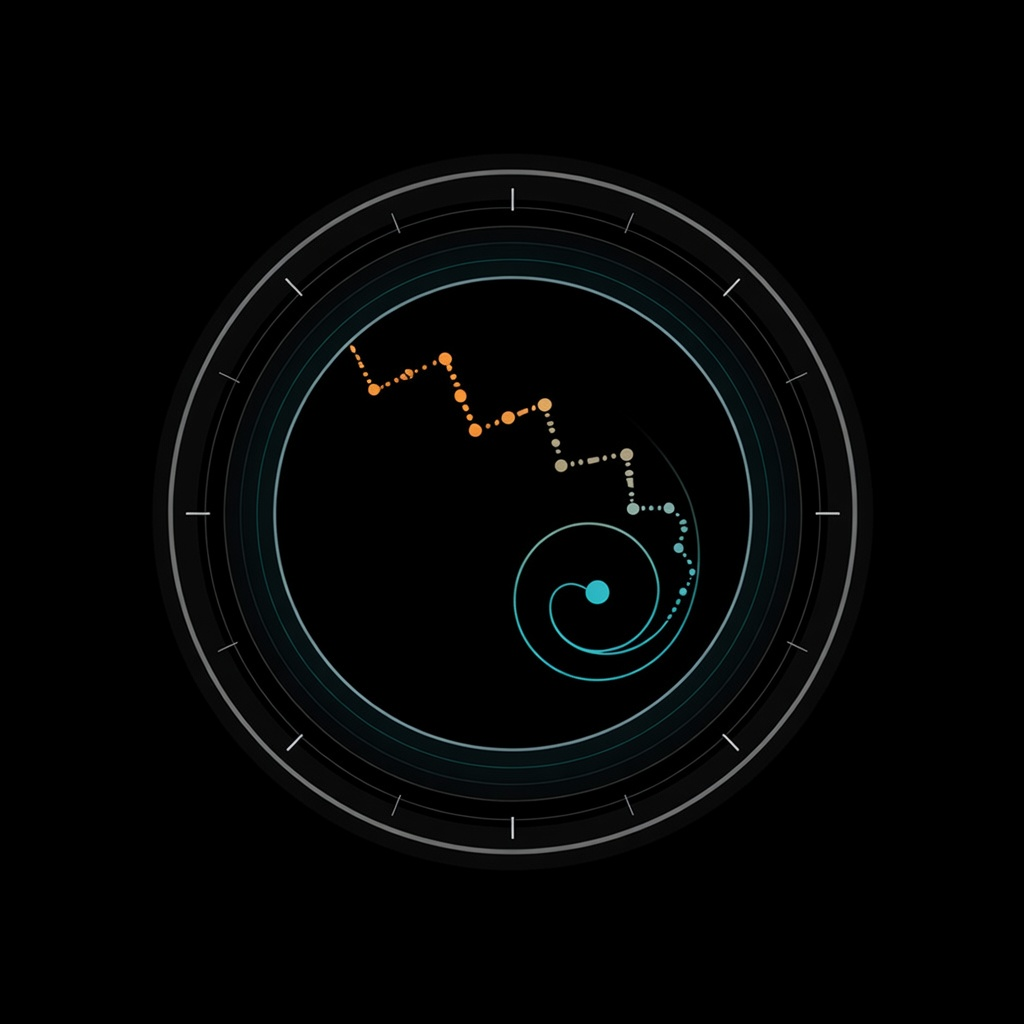
Nodes are energy classes. Edges are observed hops between classes. The prior precision is the graph Laplacian plus a nugget, so neighbouring floors share a level and disconnected components do not. The likelihood pins each node to its observed
e_min.The residual score of a class is the posterior variance (unknown floor depth). An unassigned point — the residual cell
U— scores the prior variance, which is larger than any observed node. That is the LGCP-style “hole” without a mesh on R^{3N} and without R-INLA.Preferential effort:
effort[i]counts full quenches spent on classi. The score is variance / (1 + effort), so a well-sampled uncertain node loses to an empty hole.Structs and Unions
- struct ResidualField
Field on the class graph.
Implementations
- impl ResidualField
Functions
- fn best_node(&self) -> Option<usize>
Class with the highest residual score, or
NoneifUwins.
- fn edge(&mut self, a: usize, b: usize)
Record a hop between classes
aandb.
- fn new() -> Self
Empty field.
- fn observe(&mut self, i: usize, e: f64)
Observe class
iat energyeand count one unit of effort.
- fn posterior(&self) -> Option<(Array1<f64>, Array1<f64>)>
Posterior mean and variance at each node. Empty if there are no nodes.
- fn residual_score(&self) -> f64
Score of the unassigned residual cell
U.
- fn resize(&mut self, n: usize)
Ensure nodes
0..nexist.
- fn score(&self, i: usize) -> f64
Residual score of class
i(high = worth a start).