mod neighbors
- module neighbors
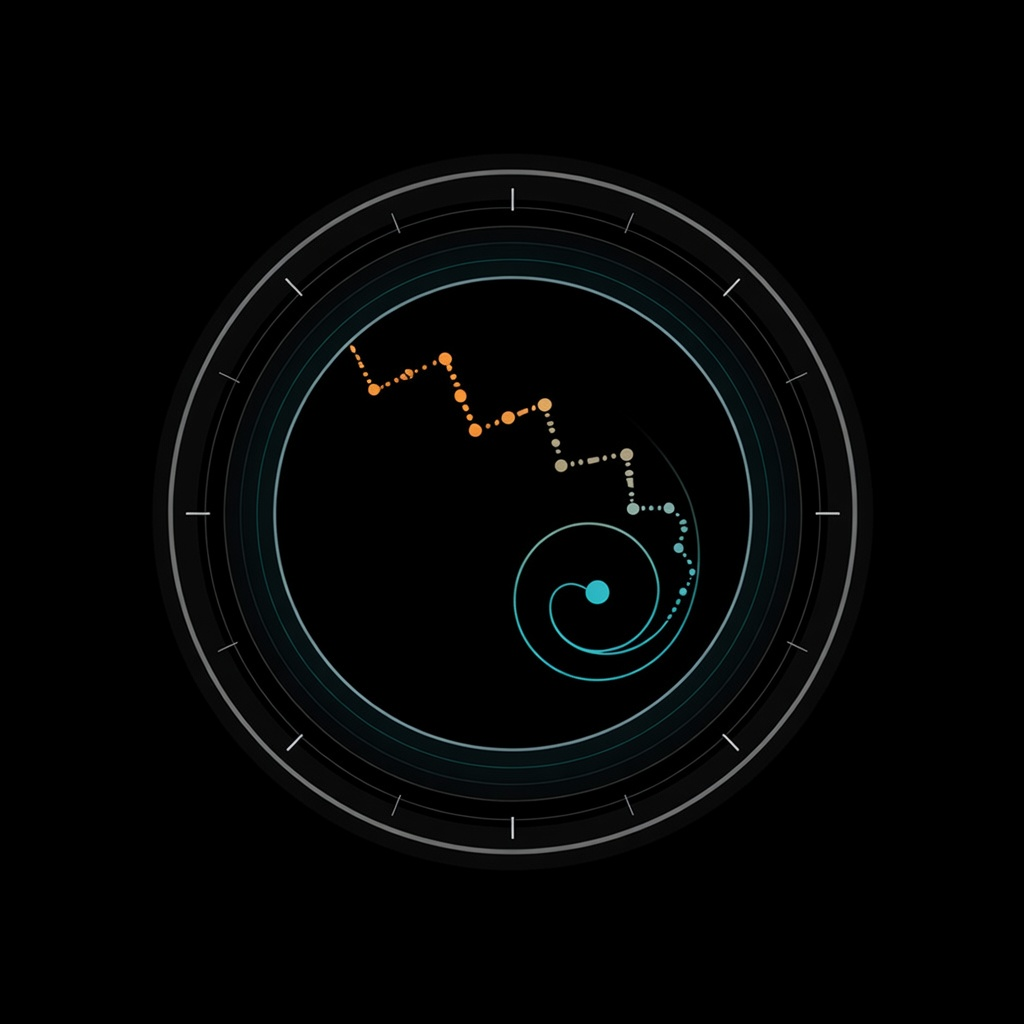
Incremental neighbour table shared across the hop. An incremental neighbour table shared across the hop.
Every kernel that reads structure recomputes it per call: surface relocation its coordination counts, the graph key its distances, ring profiles their adjacency. Each is O(n^2) per proposal, and a hop makes several proposals from the same incumbent. The measured-productive moves displace one to three atoms, so between incumbents the table changes in O(k n), not O(n^2): the blocked-kernel economy of the eigensolver libraries, applied to the structure every consumer shares.
The table is exact, not approximate: after any sequence of updates it equals the table built from scratch, and a test witnesses that on random configurations and random moves.
Structs and Unions
- struct NeighborTable
Sorted adjacency lists under a fixed absolute cutoff.
Implementations
- impl NeighborTable
Functions
- fn build(x: ArrayView1<f64>, n: usize, cutoff: f64) -> Self
Builds the table. Prefers vesin cell lists when that backend is compiled in; otherwise the exact all-pairs construction.
- fn build_naive(x: ArrayView1<f64>, n: usize, cutoff: f64) -> Self
Exact all-pairs construction.
- fn degree(&self, i: usize) -> usize
Coordination of
i.
- fn is_empty(&self) -> bool
Whether the table is empty.
- fn len(&self) -> usize
Points in the table.
- fn moved_between(a: ArrayView1<f64>, b: ArrayView1<f64>) -> Vec<usize>
The atoms whose coordinates differ between two structures.
- fn neighbors(&self, i: usize) -> &[usize]
Neighbours of
i, sorted ascending.
- fn update(&mut self, x_new: ArrayView1<f64>, moved: &[usize])
Reconciles the table with
x_newafter the atoms inmovedchanged, in O(k n) for k moved atoms.Exactness rests on one fact: a pair’s distance changed only if at least one of its ends moved, so edges between unmoved atoms need no inspection.